Classic football outfits are more than old shirts and shorts. They are time capsules. A single jersey can bring back a legendary goal, a dramatic final, or a season when a club’s identity changed forever. Supporters wear these kits to honor history, but also to keep stories alive across generations. From the stitching on a crest to the shade of a home color, every detail can carry meaning. Understanding the stories behind classic football outfits makes collecting and wearing them feel deeper than just following a trend.
How Early Kits Reflected Local Identity
In the early days of football, kits were simple and practical, but they were still symbolic. Many clubs chose colors tied to their towns, industries, or local associations. Fabrics were heavier, collars were more formal, and designs favored function over style. Yet even those basic looks set the foundation for club identity. When a team wore the same colors year after year, the kit became a visual promise. It told fans that the club belonged to them and represented their place on the map.
The Rise of Iconic Jerseys and Club Legends
Some outfits become classic because of the players and moments attached to them. A kit worn during a title-winning season can turn into a badge of pride, and a shirt linked to a famous captain can feel almost sacred to supporters. If you want to build a collection that connects style with authenticity, shop official jerseys at Fanaacs and look for kits that represent specific eras you want to celebrate. This is why classic jerseys are often discussed like chapters in a club’s history. When fans search for those pieces today, they are often chasing memory as much as design.
Sponsors, Badges, and the Era of Change
The introduction of shirt sponsors transformed football outfits. What started as a new source of revenue became a defining element of kit identity. Certain sponsor logos now instantly signal a specific decade, and many supporters can date a shirt by the sponsor alone. Badge design also evolved as clubs modernized their branding. Some fans prefer older crests because they feel traditional, while others like updated versions that look cleaner and more versatile. These changes show how football outfits reflect broader shifts in business, media, and how clubs present themselves to the world.
Fabrics and Fit: From Heavy Cotton to Modern Cuts
Classic outfits also tell a story through material. Older kits were often made with heavier fabrics that absorbed sweat and clung during play. As sports science advanced, kits became lighter, more breathable, and designed for movement. The fit changed, too. Baggy silhouettes gave way to more tailored cuts that suited speed and athletic shape. For collectors, these differences matter. Wearing a classic kit feels different from wearing a modern replica, and that physical experience can make the past feel more real.
International Tournaments and Timeless National Looks
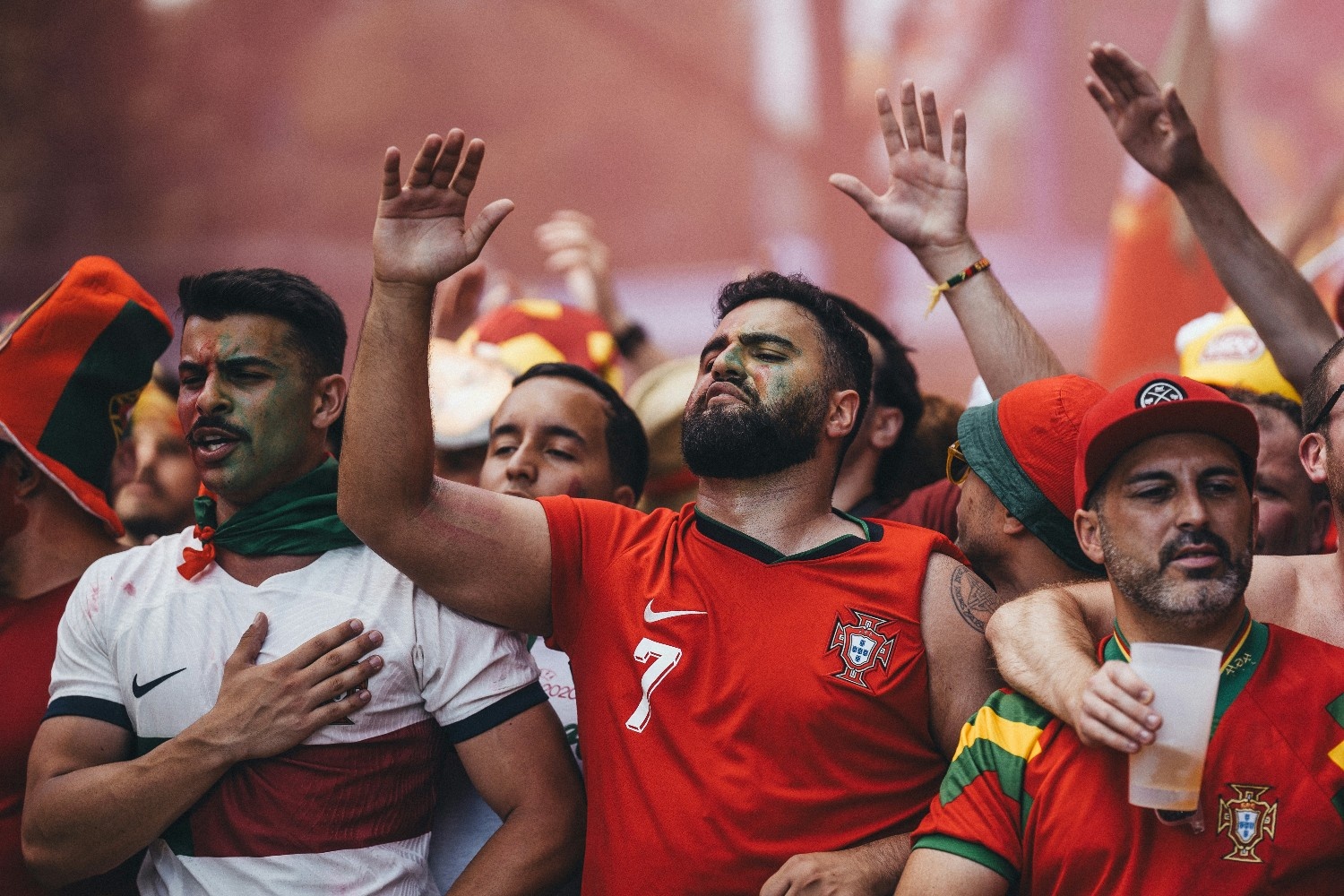
National team outfits often become classics because they are linked to major tournaments. A strong World Cup or continental run can turn a design into a cultural symbol overnight, and many of these become iconic football kits. People remember the shirt from a famous upset, a penalty shootout, or a breakout star’s rise to global attention. National kits also carry a different kind of emotion because they represent the country and its heritage. Even casual fans often own a classic national shirt because it connects them to family memories, street celebrations, and shared pride.
Goalkeepers: The Boldest Classics of All
Classic goalkeeper kits deserve their own spotlight. They have often been more experimental than outfield shirts, using loud colors, abstract patterns, and daring graphics. This is partly practical, to distinguish the keeper clearly, but it also creates a space for creative design. Many iconic goalkeeper outfits became cult favorites because they looked fearless and different. Today, vintage keeper jerseys are popular in streetwear because the patterns feel unique and the colors make them statement pieces.
Training Gear and Tracksuits With Streetwear Status
Classic football outfits are not limited to match kits. Training tops, tracksuits, and warm-up jackets have their own stories and fan followings. In many communities, football tracksuits became daily wear, blending sport with street culture. Certain eras are remembered for their training gear as much as their home kits, especially when clubs or national teams had distinctive color combinations and strong branding. This is why retro training pieces have become collectibles, worn with jeans and sneakers as easily as with football boots.

Why Fans Collect and Wear Retro Today
Wearing a classic outfit is a way to show taste and knowledge. It can signal loyalty to a club, admiration for a player, or love for a particular era of football culture. Retro kits also offer individuality. In a world where many modern designs follow similar templates, a classic shirt can stand out instantly. Fans also enjoy the hunt, tracking down rare editions, specific sponsor versions, and shirts linked to unforgettable seasons. For many, collecting is a form of storytelling where each kit is a chapter.
Conclusion
Classic football outfits remain powerful because they connect fabric to emotion. They carry the pride of local identity, the drama of tournament nights, the evolution of sponsorship, and the legacy of club legends. Whether you wear them to matches, style them in everyday outfits, or collect them carefully, these kits keep football history visible. The stories behind them remind us that football is not only played on the pitch. It is also worn, remembered, and passed down through the outfits that defined generations.